
Two locations. Two different settings.
An active private clinic in Barcelona and a large dental faculty near Bauru. Discover the facilities and everyday environment at our training locations.
Spain
ESIRO · Barcelona
An active private clinic close to the Sagrada Família
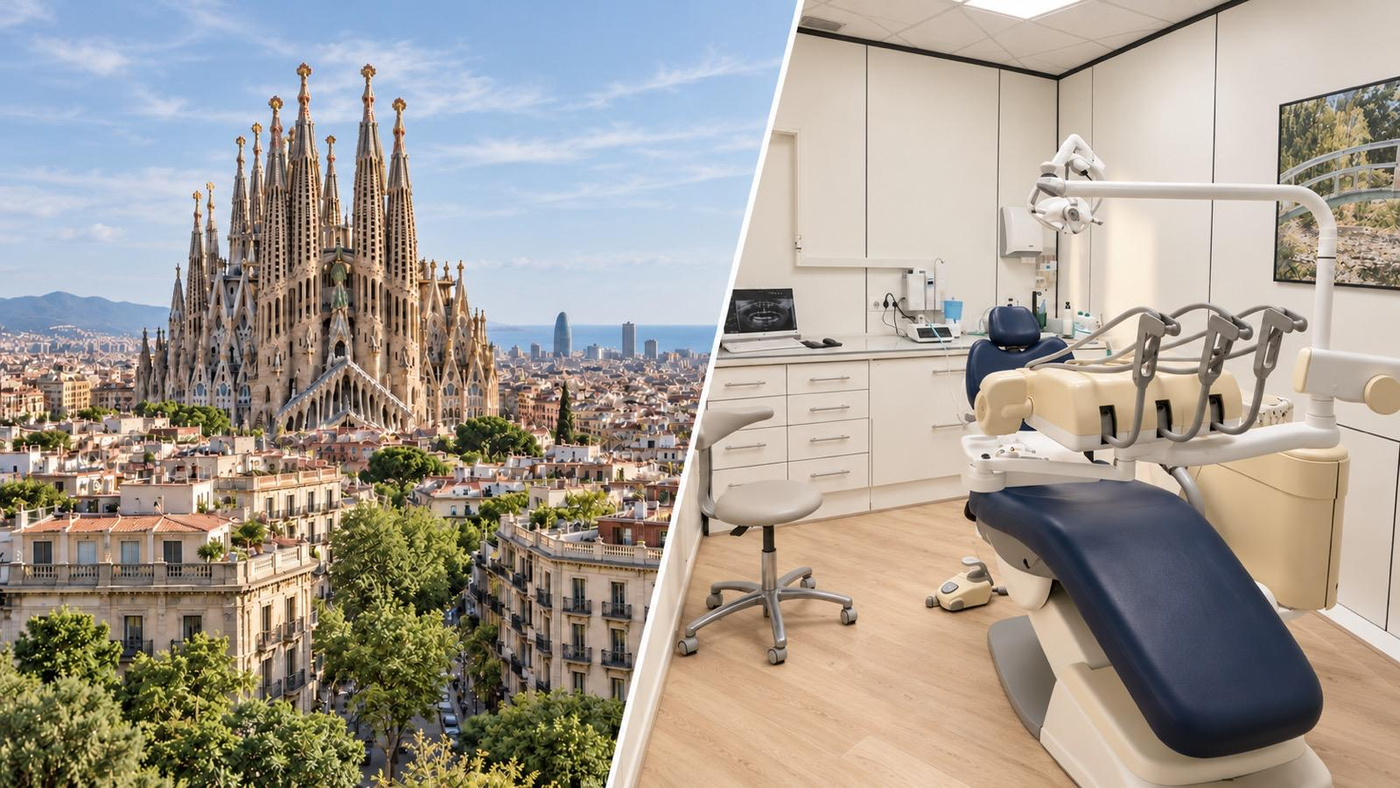
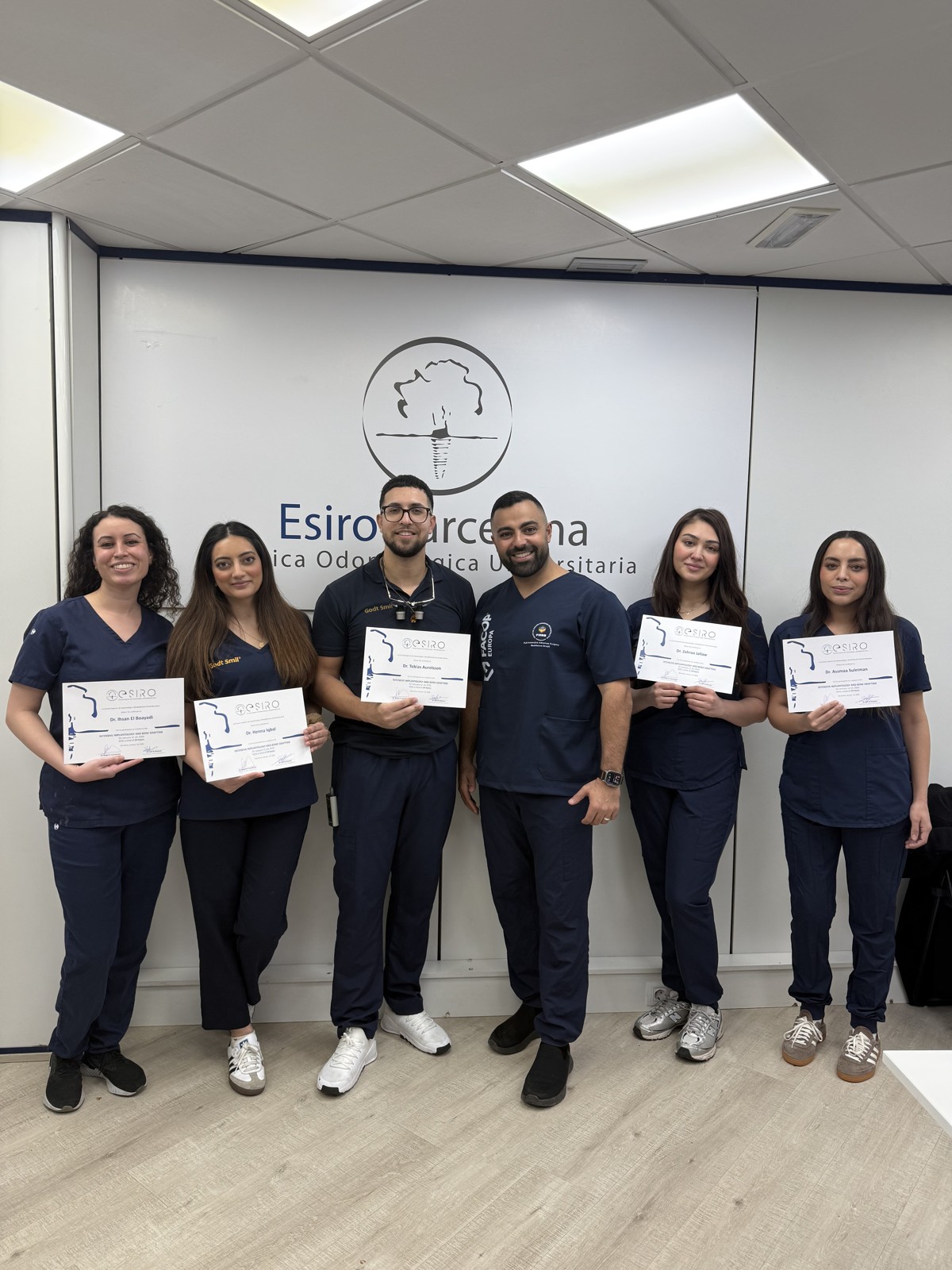
ESIRO is centrally located at Carrer de Còrsega 474 in Barcelona, approximately five minutes on foot from the Sagrada Família. It is set up as a regular private dental clinic, with a reception, patient waiting room, offices, laboratory, X-ray room with panoramic imaging and CBCT, and five separate treatment rooms.
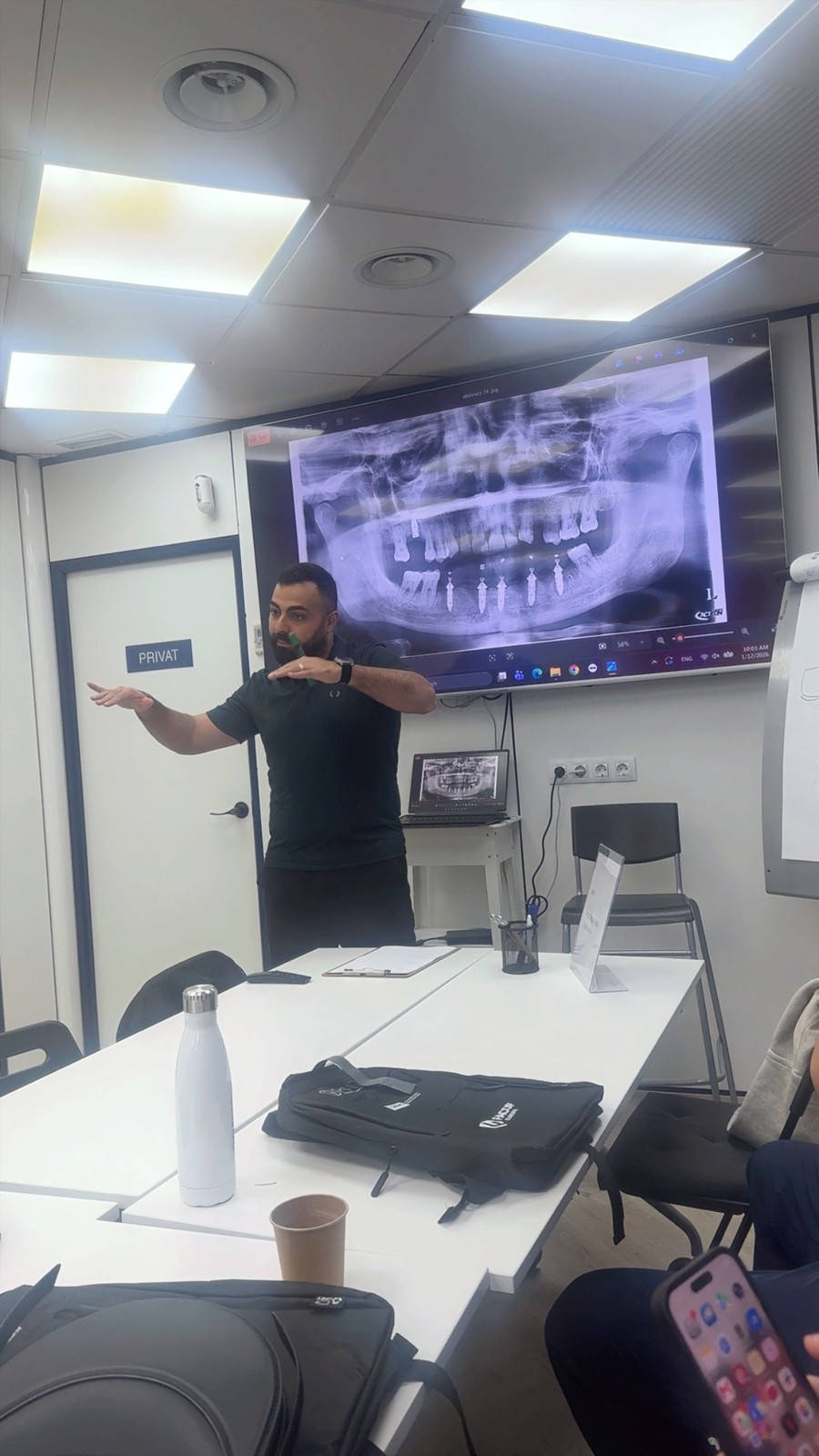
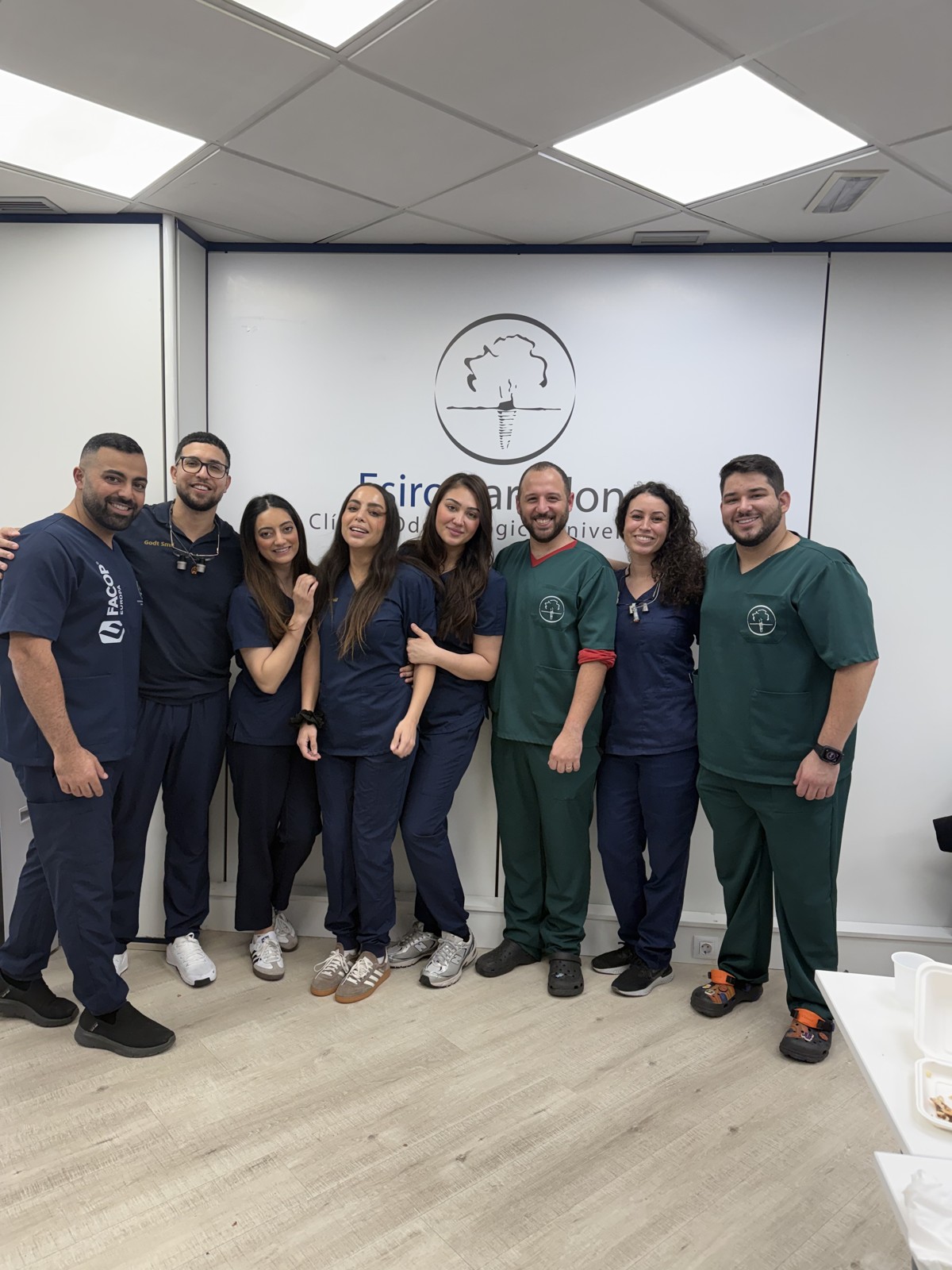
There is also a teaching room where we meet for the morning conference, review the day’s patients and operations, and discuss treatment options. It is a shared space for breaks, coffee, snacks and clinical conversations.
A typical course day
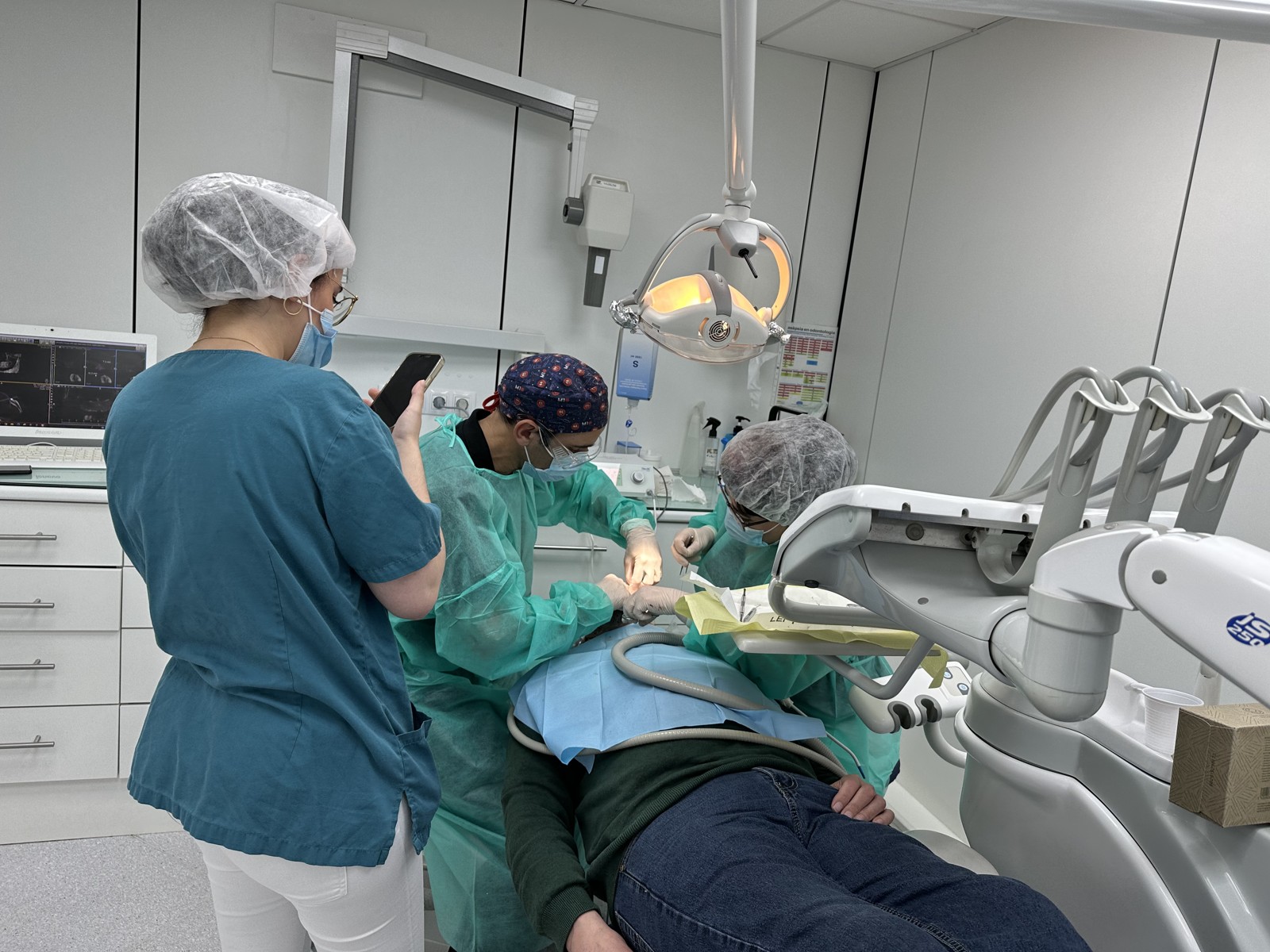
The first operation normally starts at 10:00. Before then, you arrive changed and ready to review the day’s cases. If you are the only participant on your programme, arriving 15–30 minutes beforehand is usually appropriate. For a group, we normally allow around an hour so everyone can review the planned treatments.
The day is often divided into two clinical sessions, with a longer midday break—the Spanish siesta—in between. The morning operation typically starts at 10:00, and the afternoon operation around 15:30–16:00. Arrival times and the daily schedule are agreed with your tutor and depend on the planned treatments.
Learning within everyday clinical practice
ESIRO is a working clinic. Alongside course treatments, patients attend assessments, follow-up appointments and other treatments with the clinic’s own staff. Three or four other treatment rooms are therefore often active during your programme.
This provides opportunities to observe other treatments when time and circumstances allow. If your operation finishes earlier than expected, or you are waiting for a patient, you may be able to observe a colleague or tutor in another room. For example, you might follow the prosthetic stage of an implant case and see how treatment continues after surgery.
When a relevant learning opportunity arises, tutors sometimes bring participants together at a treatment to demonstrate a technique or discuss a clinical issue. This may include topics outside your own course programme—an additional educational bonus to your training.
A practical location for your stay
The Radisson Blu 1882 Hotel, Barcelona Sagrada Familia is approximately one minute’s walk from the clinic. Within roughly five minutes on foot, you will also find a supermarket, convenience stores, places to eat, a hairdresser, laundry facilities and a gym. The central location makes everyday arrangements convenient around your course days.
Address: Carrer de Còrsega 474, 08025 Barcelona, Spain.
Assistance during treatment
At ESIRO, dental assistants are available to help during treatments. If two dentists attend together, you can also take turns treating and assisting one another. The working arrangement is agreed according to your course and the planned treatments.
You can also bring your own dental assistant on the course. Your assistant will assist you during treatments and receive practical guidance in techniques that strengthen your teamwork during surgical procedures.
Training includes sterile setup and safe clearing of the treatment area, with particular attention to handling the many sharp and pointed instruments. It also covers appropriate handling and care of implant instruments, helping protect this valuable equipment for long-term use.
Your dental assistant receives a separate certificate reflecting their participation in the programme. Bringing your own dental assistant involves an additional fee, agreed when planning the course.
Brazil
FACOP · Bauru area
A large dental teaching environment with an international community
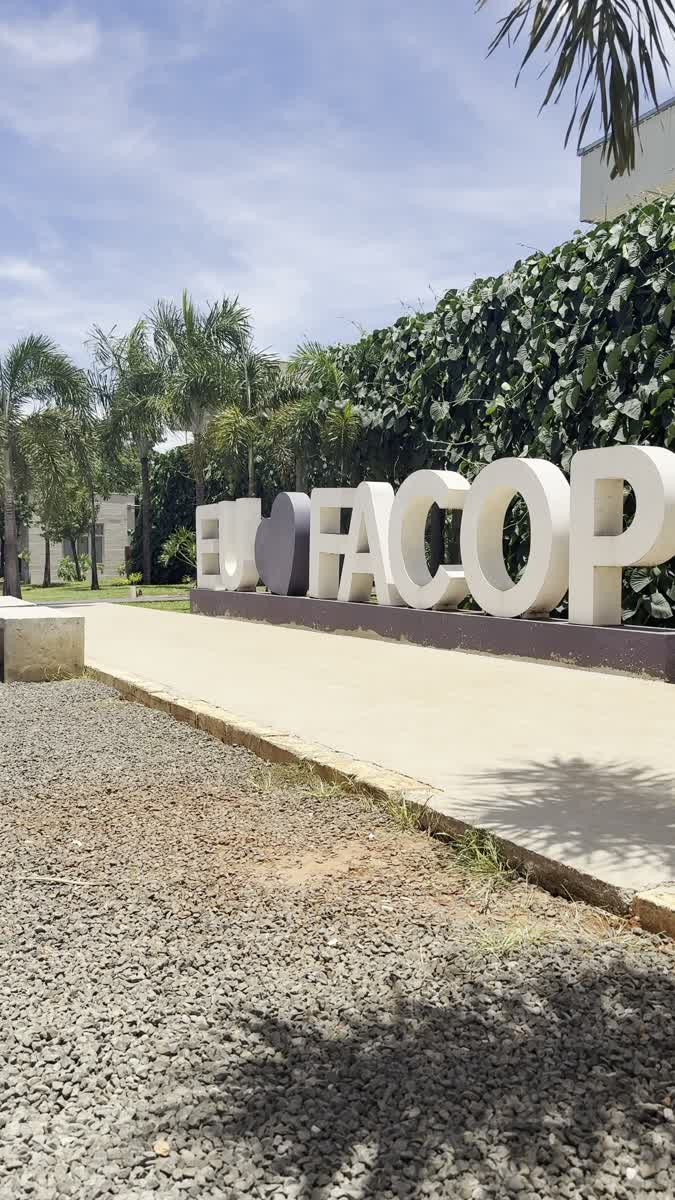
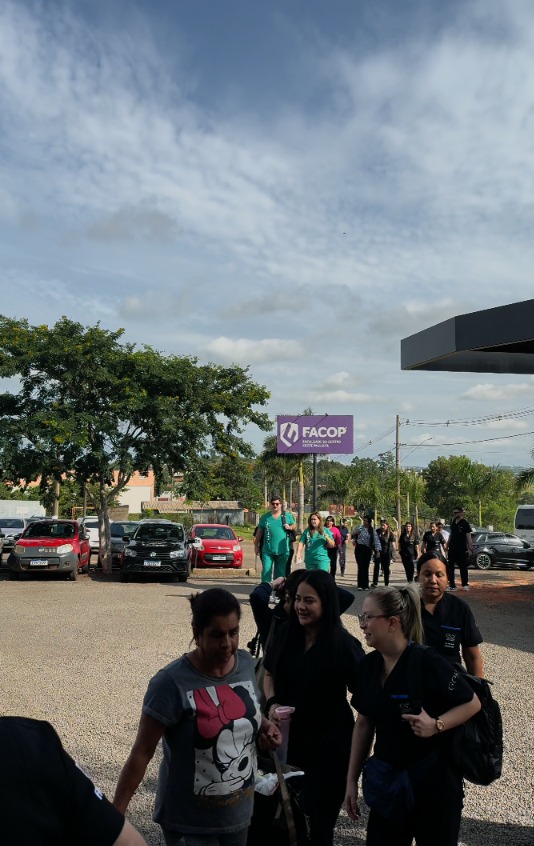
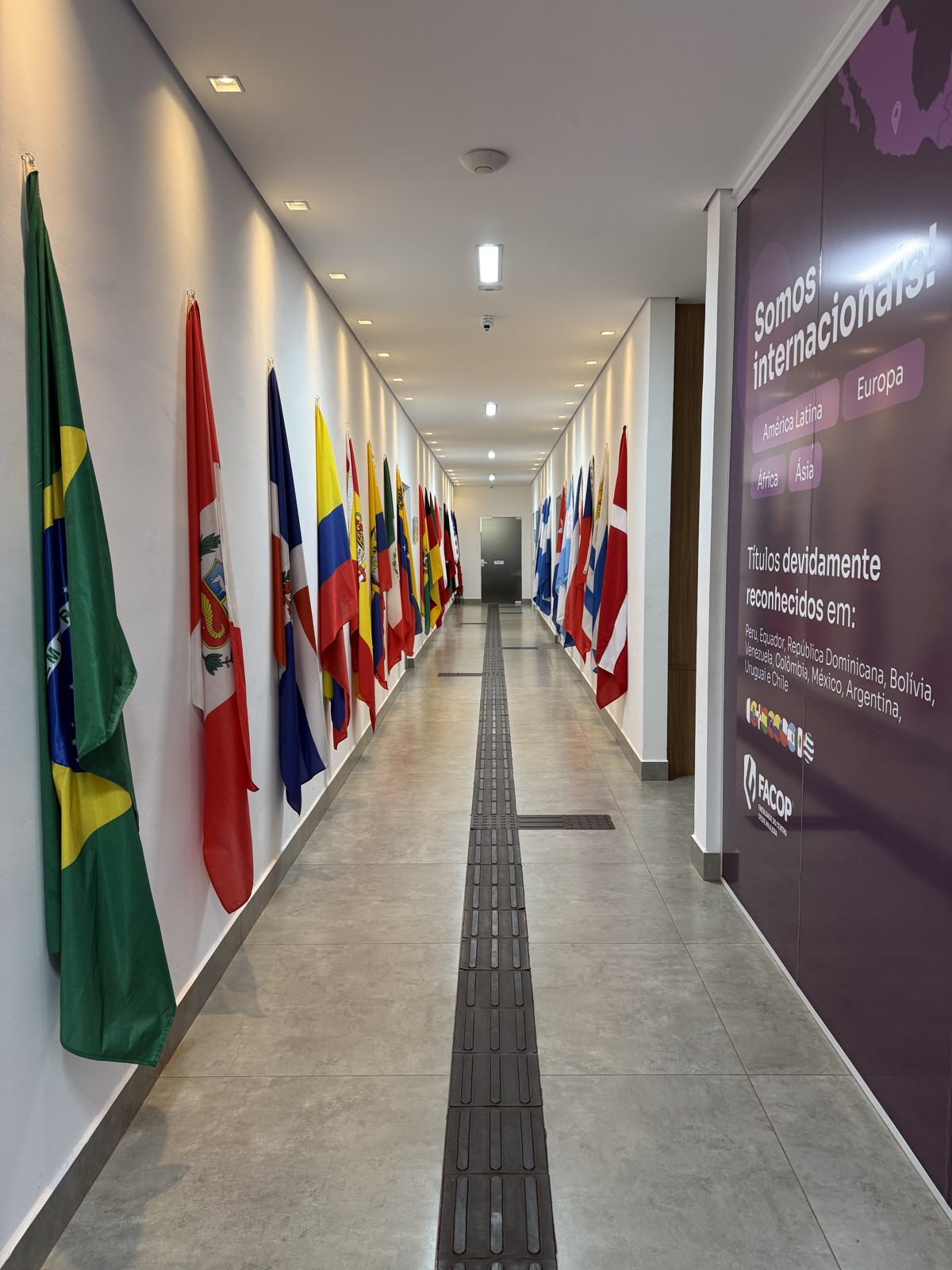
FACOP is a dental faculty outside Bauru in the state of São Paulo. It is considerably larger than ESIRO and has the feel of a university campus, with several hundred dentists and dental students coming and going during the day and evening.
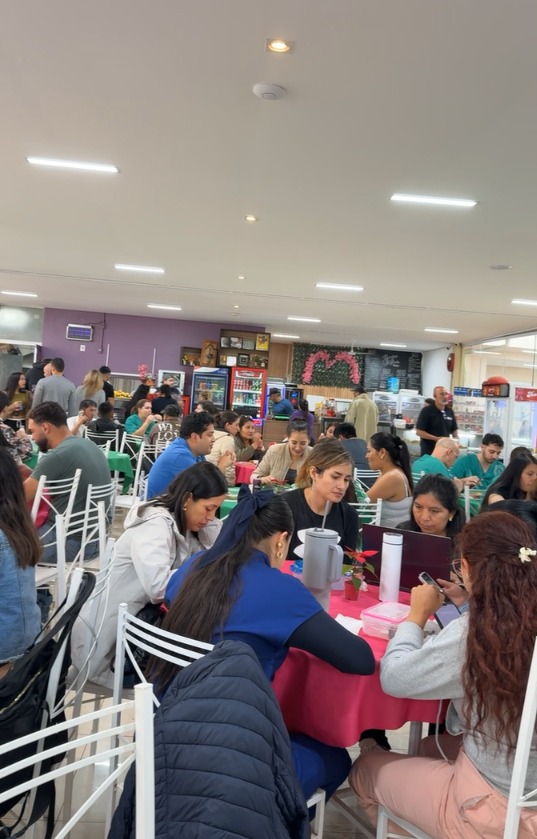
The buildings are arranged around a large central square used for parking and student and participant transport. The campus includes lecture halls, administration, a cafeteria and clinical teaching departments covering surgery, prosthodontics, endodontics and restorative dentistry.
Clinical facilities
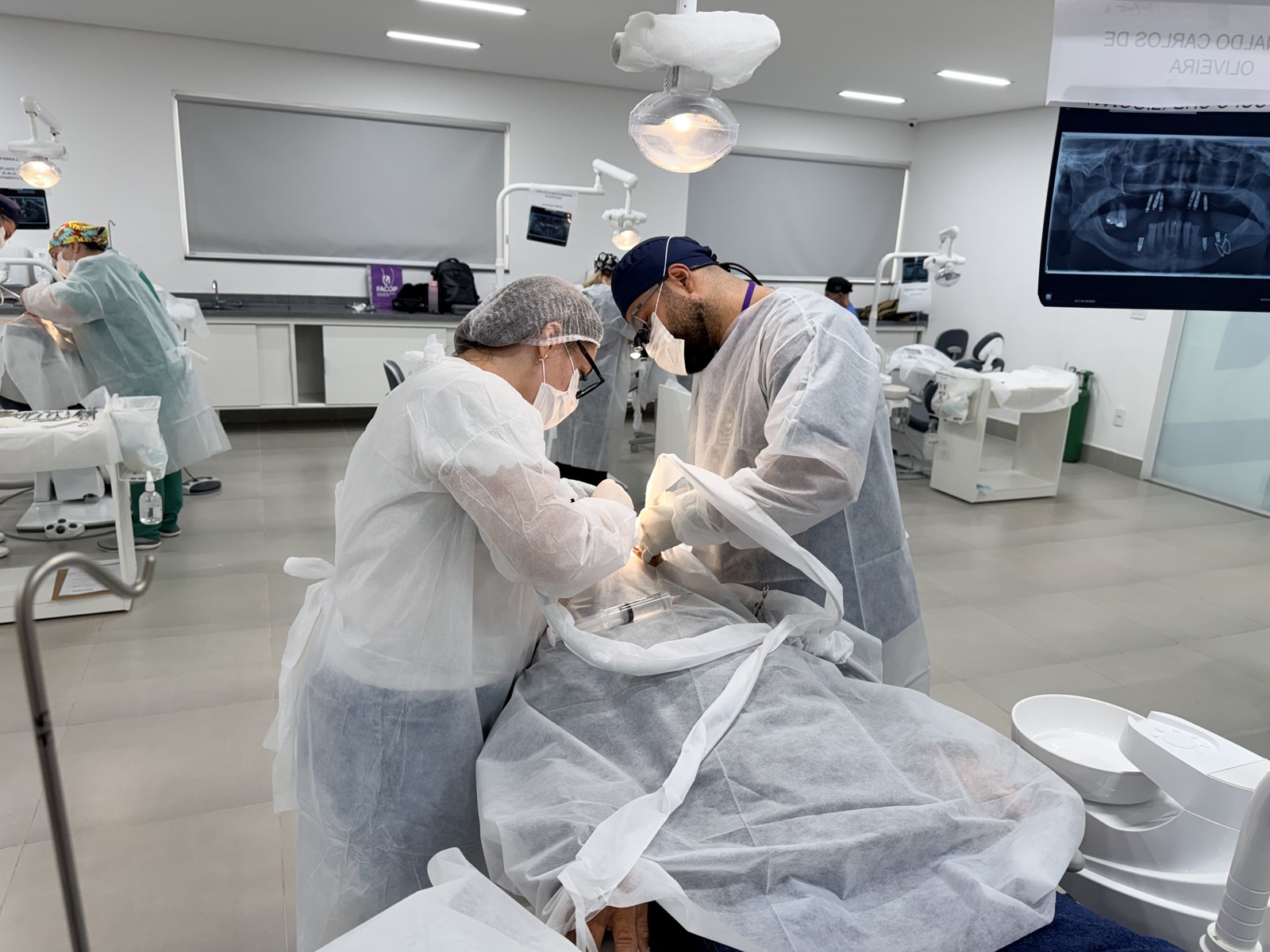
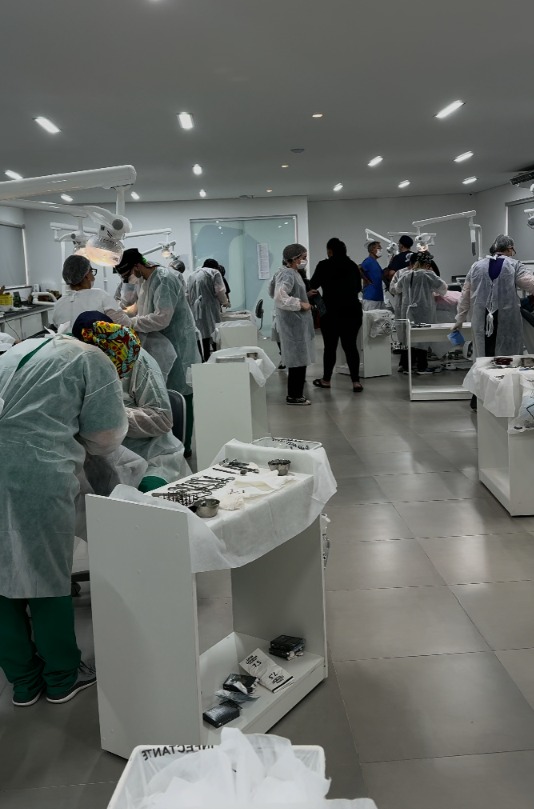
At FACOP, clinical work typically takes place in large, open teaching clinics rather than separate treatment rooms. A room may contain around 12–14 dental chairs, with several treatments taking place at the same time.
Dental assistants provide sterile chairside assistance and practical support around the workstations. Several supervising dentists are present during a typical clinical session, often around four or five. A specific tutor is normally assigned to your case, but you can also ask another available tutor for help.
The open setting offers opportunities to observe other treatments and exchange experiences. You might be working beside a participant placing their first implant while a more experienced colleague performs an advanced procedure elsewhere in the room.
An international environment
During your stay, you often meet dentists from different countries. Participants from Denmark may, for example, attend alongside groups from Portugal, Spain, Cuba and Brazil.
A combined course group may consist of around 15–20 dentists working individually with assistance or in pairs, taking turns treating and assisting. The group composition depends on the particular programme.
A typical course day
The day often begins with breakfast at the hotel around 07:00–08:00. Many participants are already changed before the arranged transport leaves for the faculty.
The first treatment begins after arrival. Once your operation is complete, you can take a break in the cafeteria or stay in the clinic to observe other ongoing treatments. Procedures vary in duration and complexity, so there is often something new to see.
After a shared lunch, clinical work continues with the afternoon treatments. On some days there may be time for an additional operation, depending on the patient schedule, treatment scope and your programme.
The day usually ends around 18:00–19:00, followed by the arranged transport back to the hotel.
Bauru and your stay
Participants typically stay in Bauru, around ten minutes’ drive from the faculty depending on the hotel and traffic. Bauru has an active student community, with cafés, restaurants and bars where participants can meet after teaching.
Transport from São Paulo and between the hotel and faculty is agreed as part of planning your stay.
At both locations
Your programme and life around the course
Your programme—with personal guidance
Whichever location you choose, your programme is tailored to your experience, learning goals and agreed treatments. Patient cases and treatment options are reviewed with your tutor, and you perform the agreed procedures with guidance throughout.
Evenings are your own
After teaching, you choose how to spend your evening. You can relax at the hotel and recharge for the next day, explore the city, or meet other participants for dinner. Evening activities are not a fixed part of the course programme.
Course completion and certificate
The course typically concludes with a certificate presentation on the final day, which is therefore often a half course day.
At ESIRO, the presentation is normally a smaller occasion with the current group. At FACOP, it is often a larger shared event because more participants and groups finish their programmes at the same time. The specific schedule is agreed for your course.
Where will your next programme take you?
Tell us about your goals, and we will plan the next step together.
Plan your training